PARTITURA PER UN FUTURO RITORNO
Project for Una Boccata d’Arte 2025, promoted by Fondazione Elpis
curated by Alessia Delli Rocioli
Macchiagodena, Molise (Italy)
June 28 – September 29, 2025
Una boccata d’arte is an invitation to work together: every year it involves 20 artists of different nationalities, 20 italian municipalities and 20 regional curators to create 20 contemporary art projects in dialogue with the local area.
Partitura per un futuro ritorno (Score for a Future Return) is an artistic project by Roberto Casti, spread across the center of Macchiagodena (Molise) and three of its hamlets—Caporio, Incoronata, and Santa Maria in Pantano—that connects the desires of the current community with the emotional memory of the territory. The project emerged from an ongoing dialogue with the local area and its community spread across the different hamlets, activated through three collective rewriting workshops centered on the song Lu Molisano in America, composed in the 1960s by local musician Antonio Perrella. During these sessions, the artist invited participants to imagine a possible return, constructing a counter-narrative to the silence left behind by depopulation.
Exhibitions views by: Giacomo Alberico; Alessandro Pace.
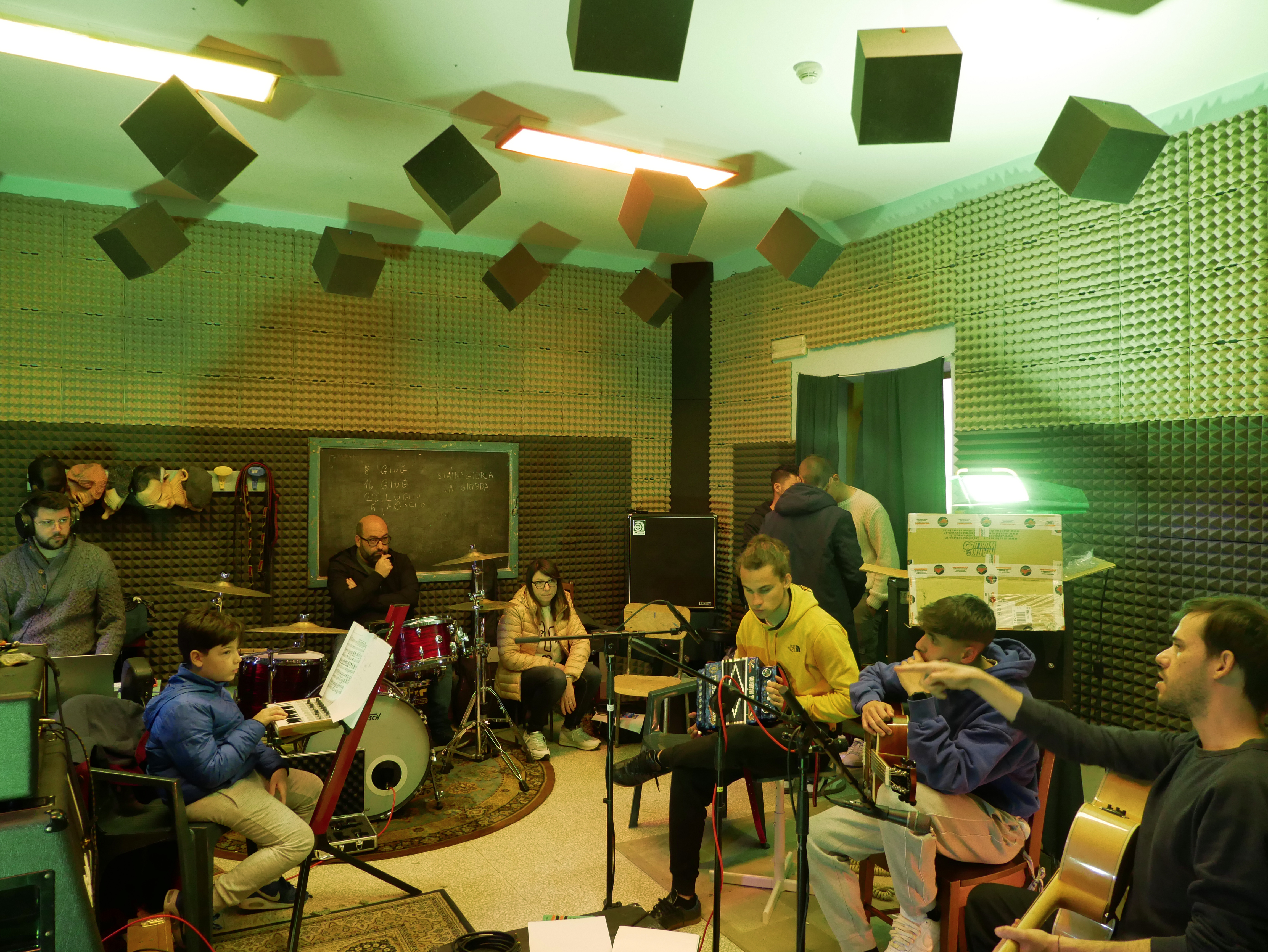
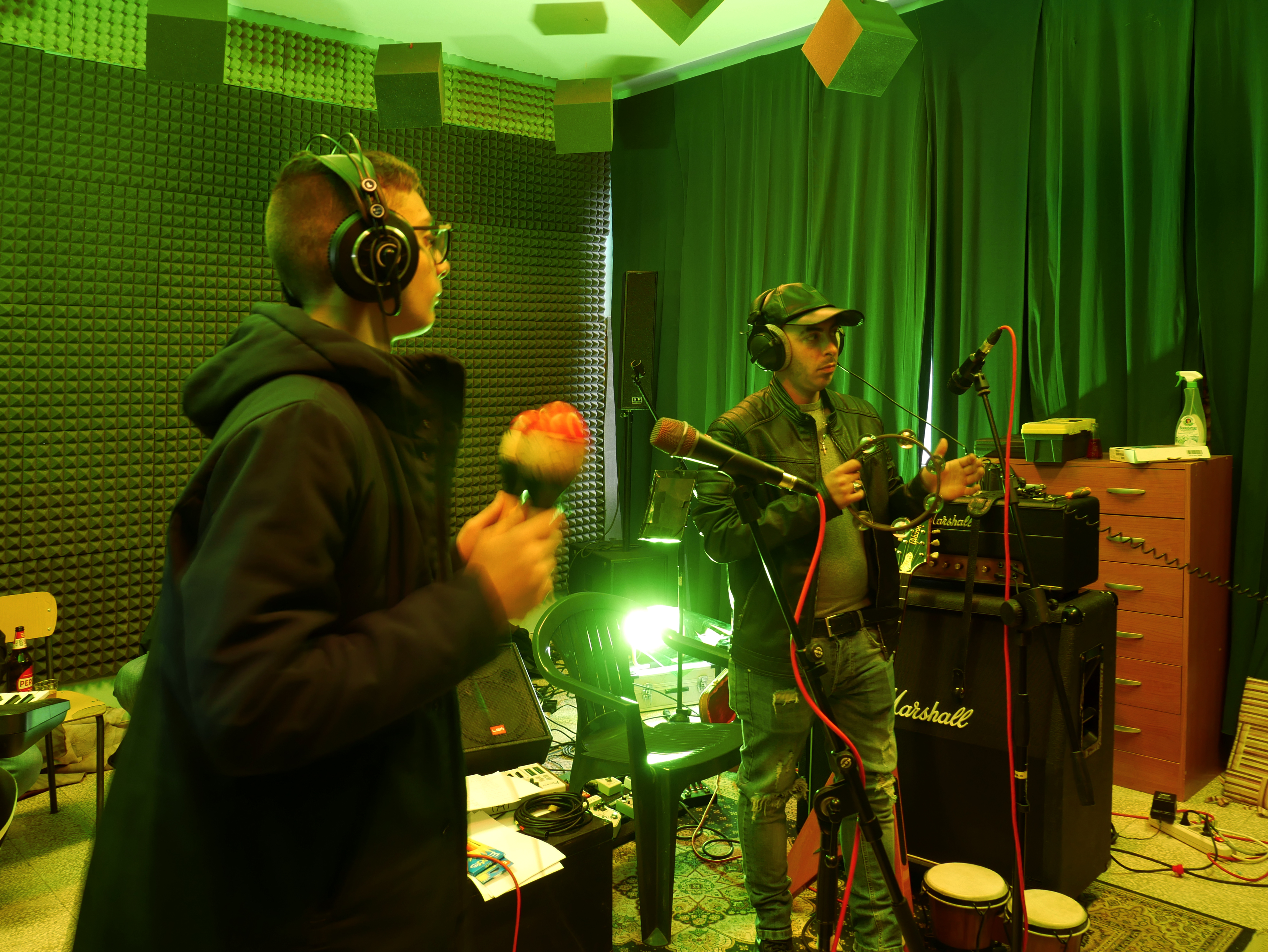
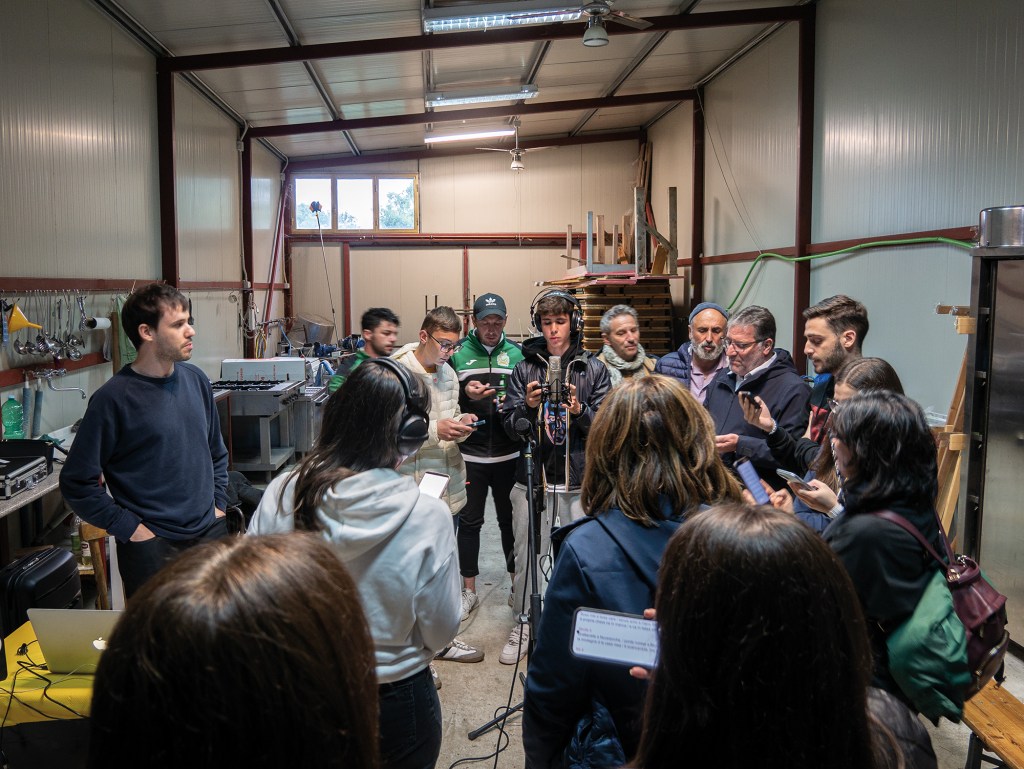
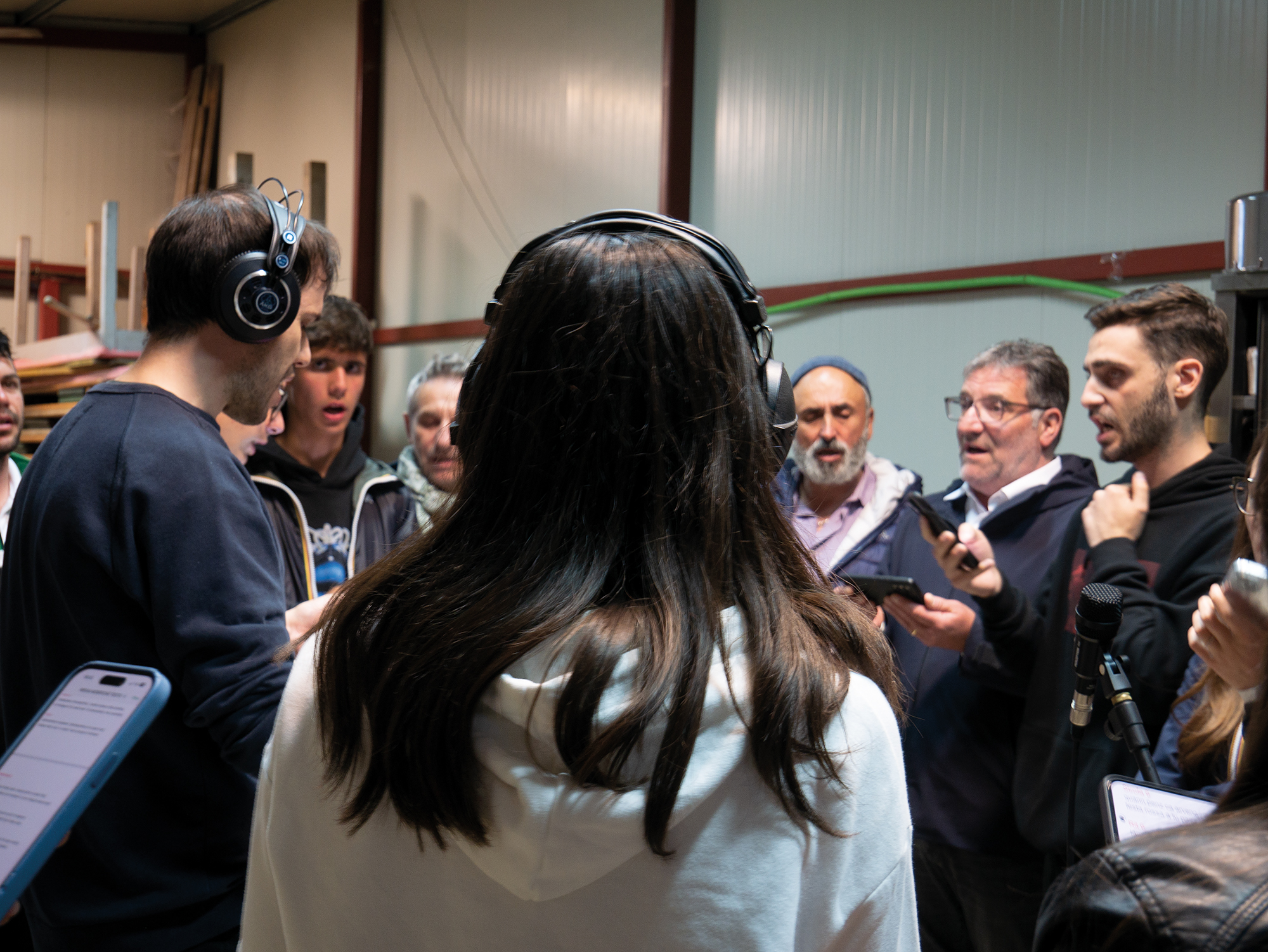
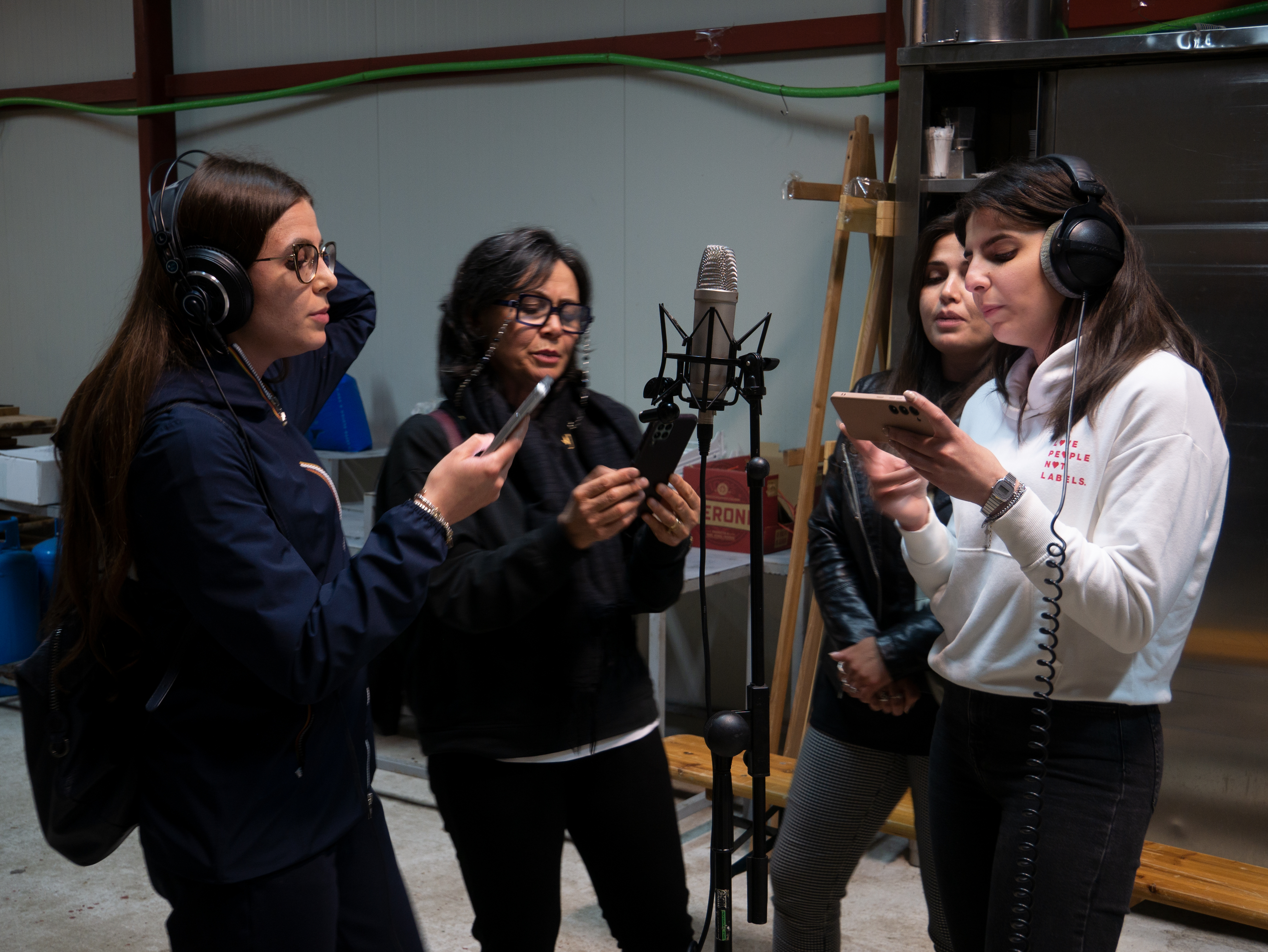
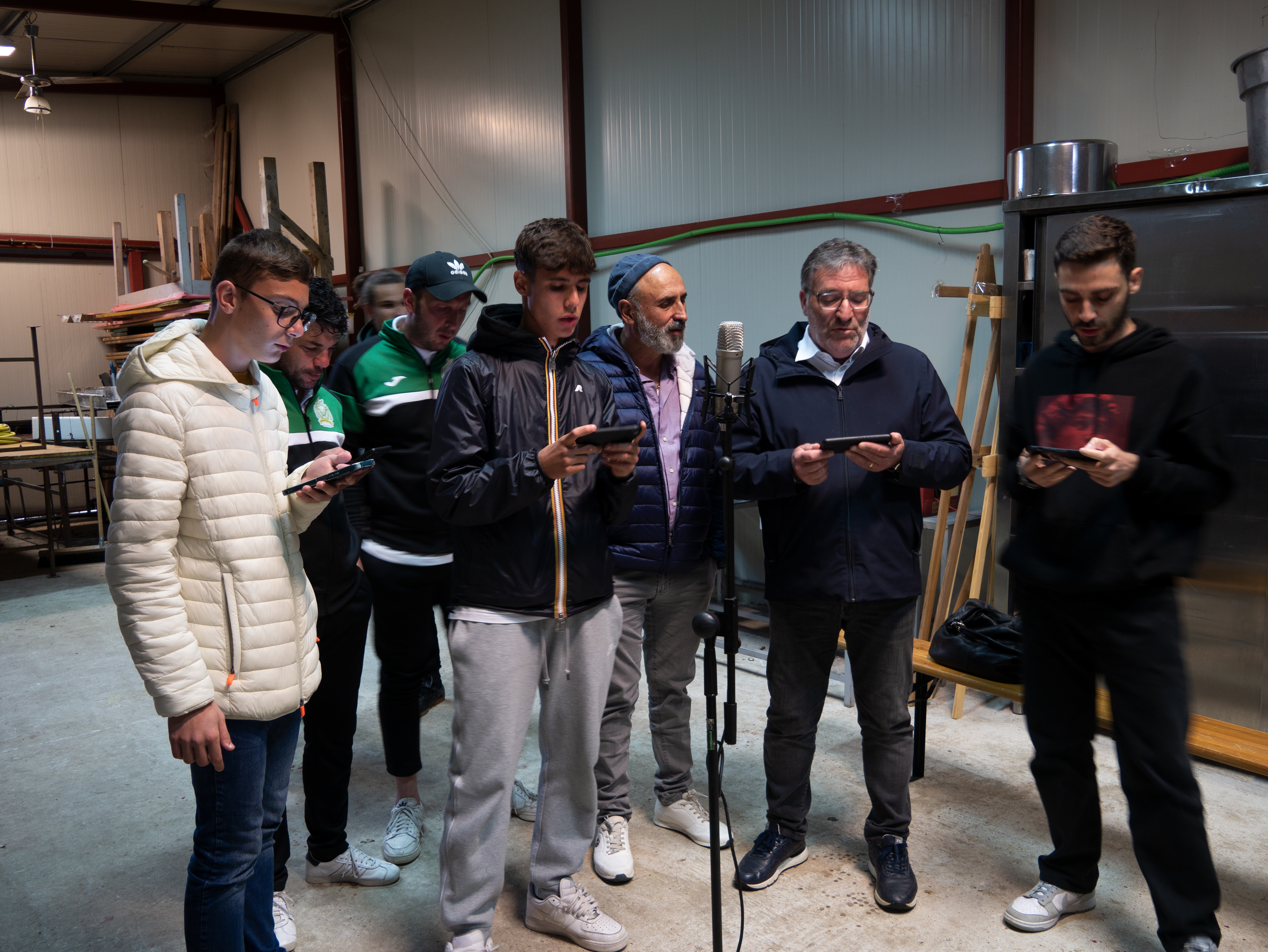
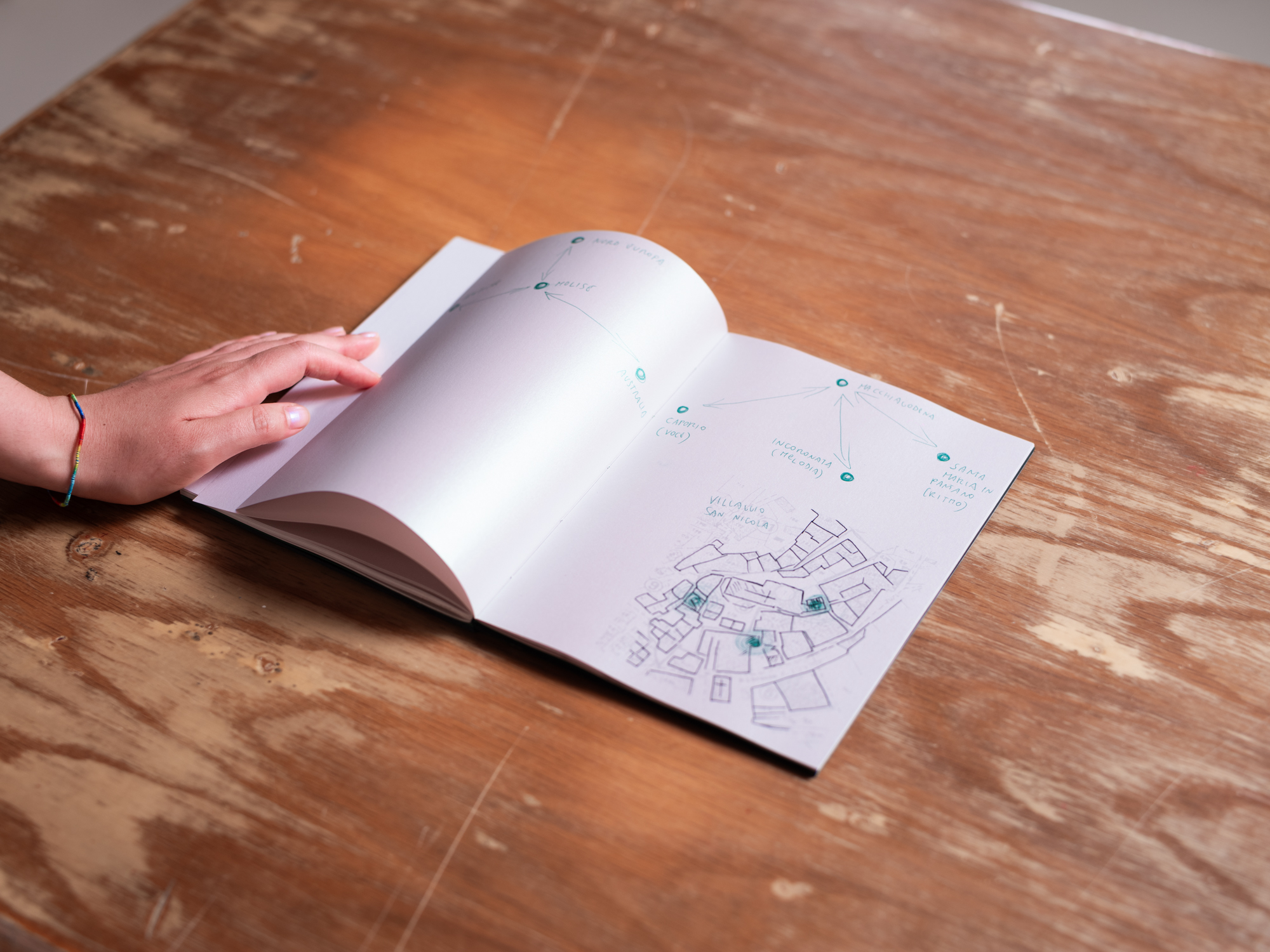
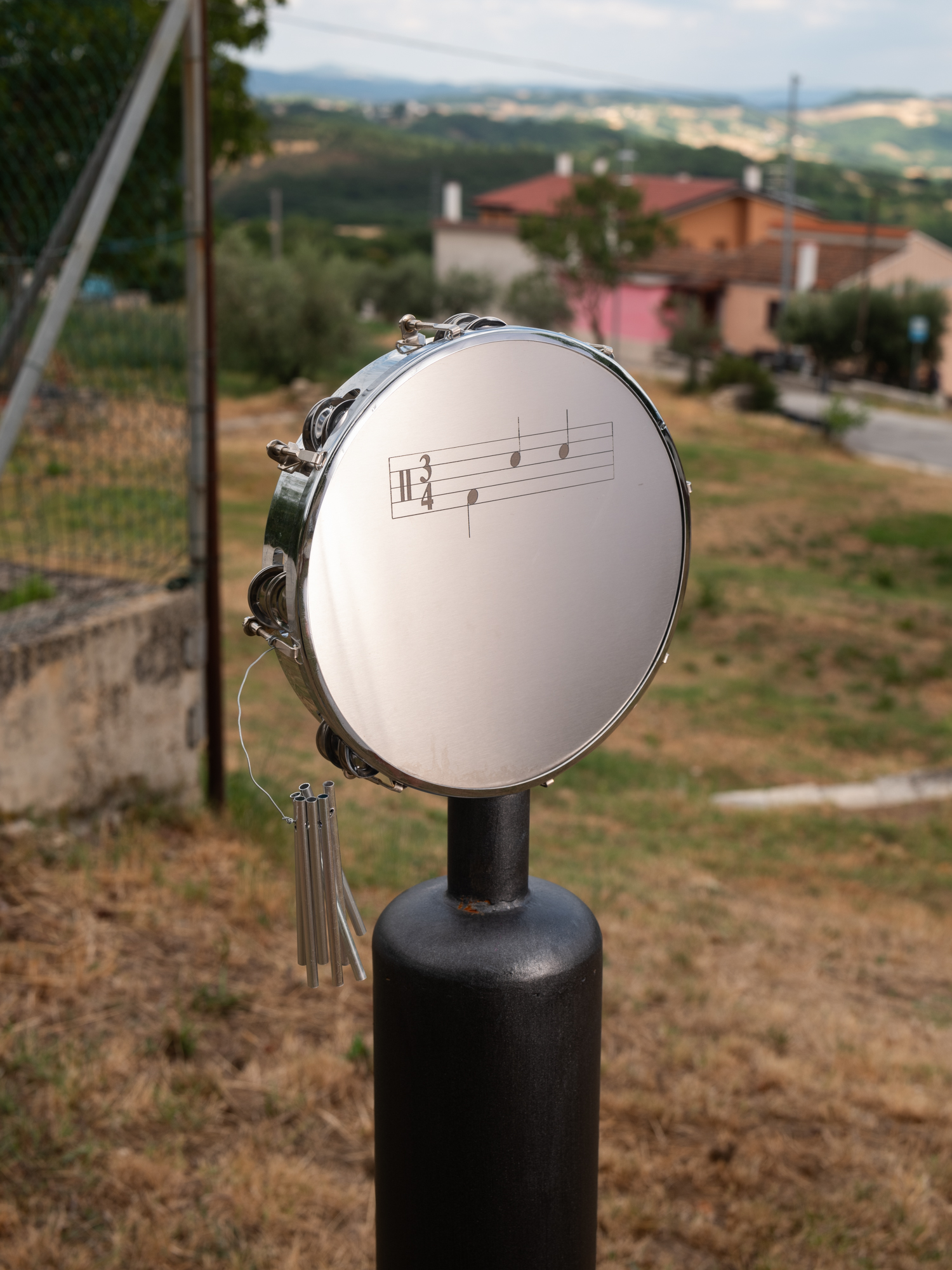
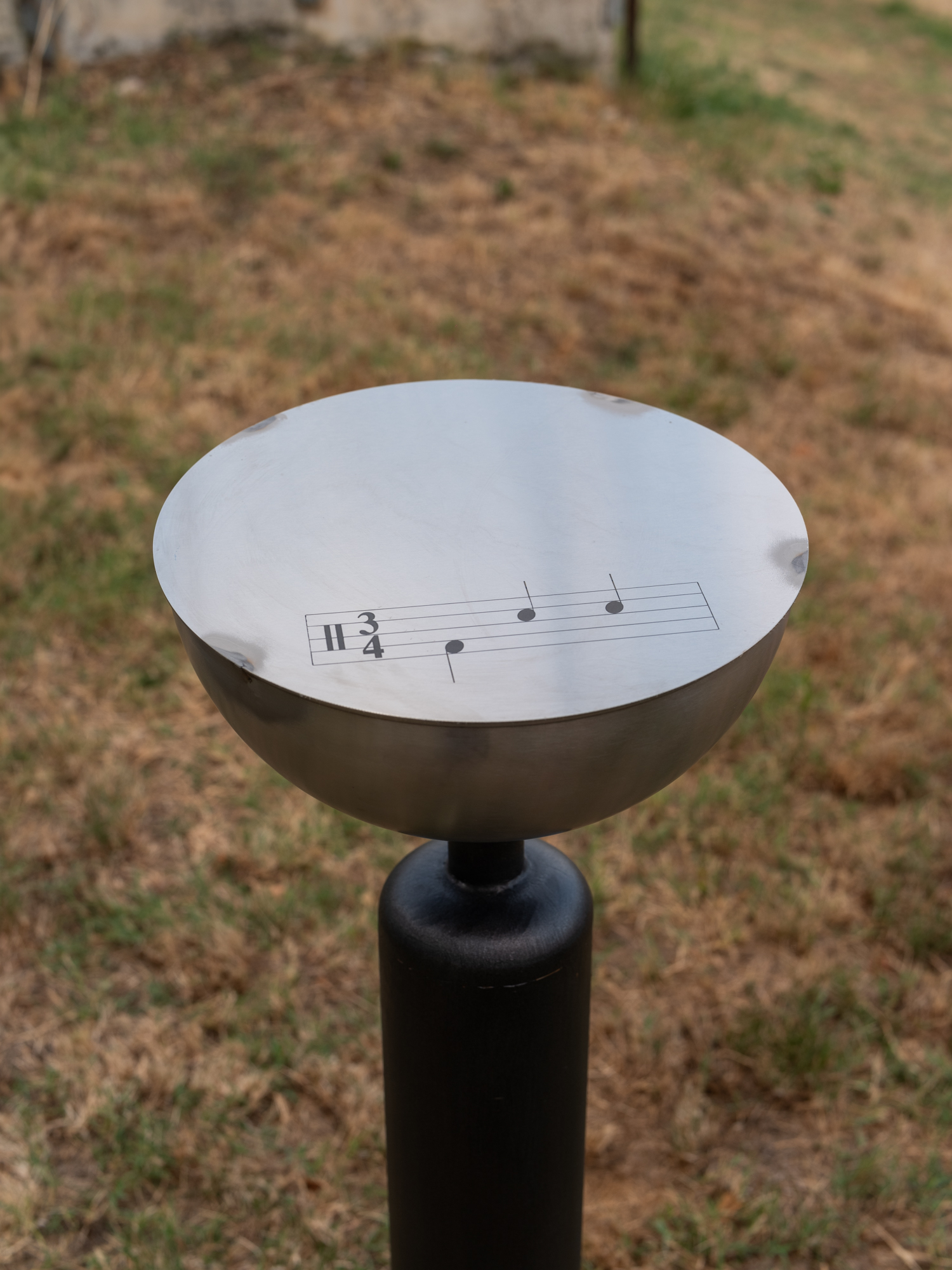
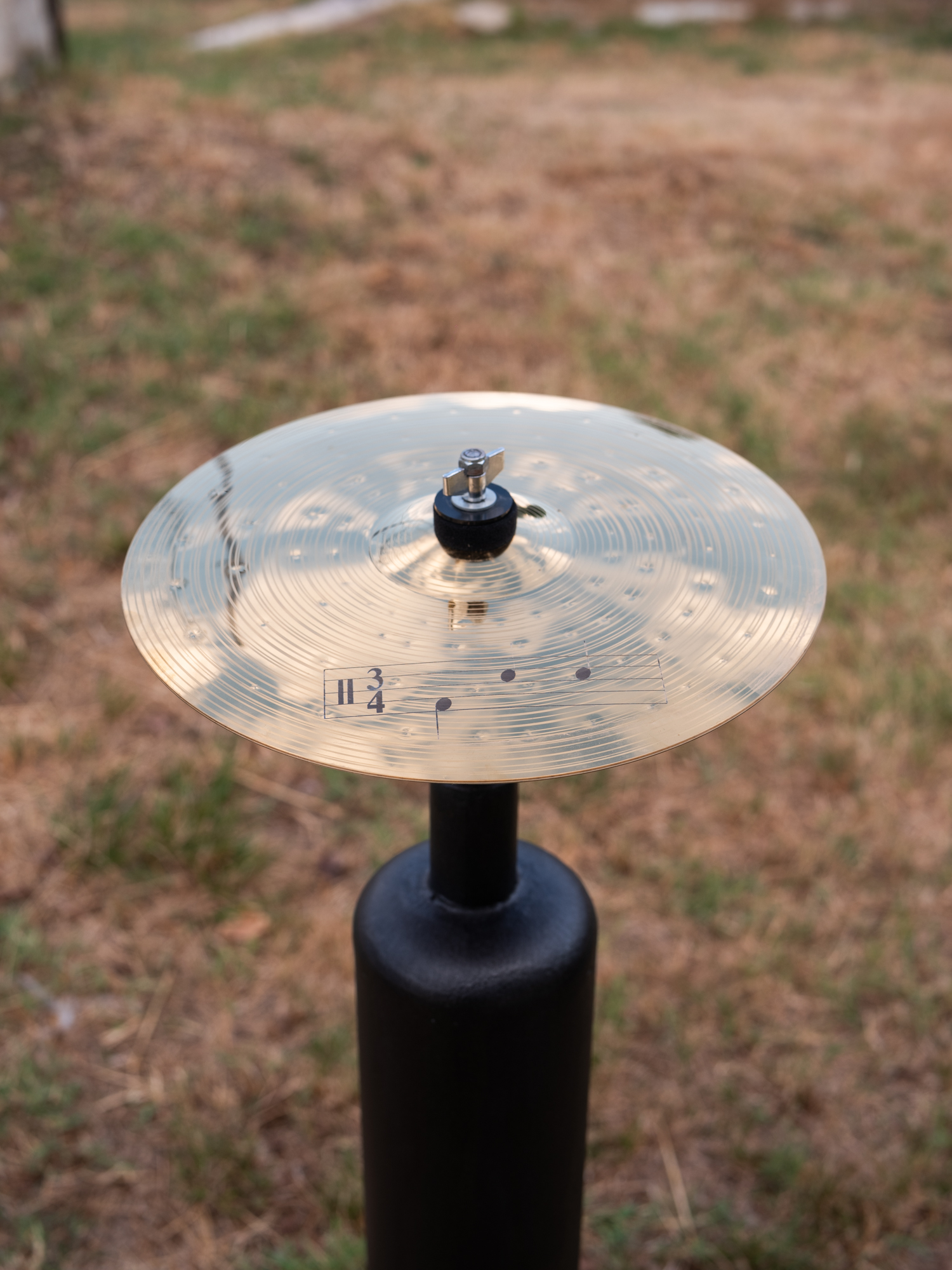
Three distinct musical sections—rhythm, melody, and voice—emerged from the workshops and were translated into three site-specific works installed in the hamlets of Santa Maria in Pantano, Incoronata and Caporio. These functional and meaningful objects are scattered across the peripheral landscape of Macchiagodena serving as clues in a collective narrative.
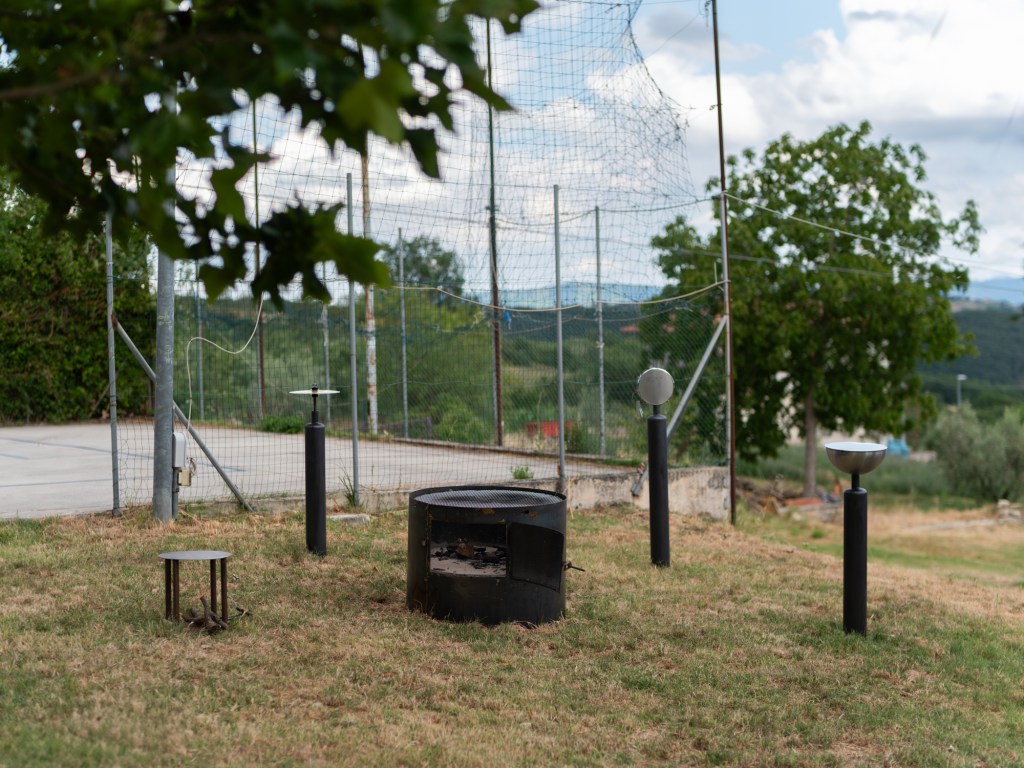
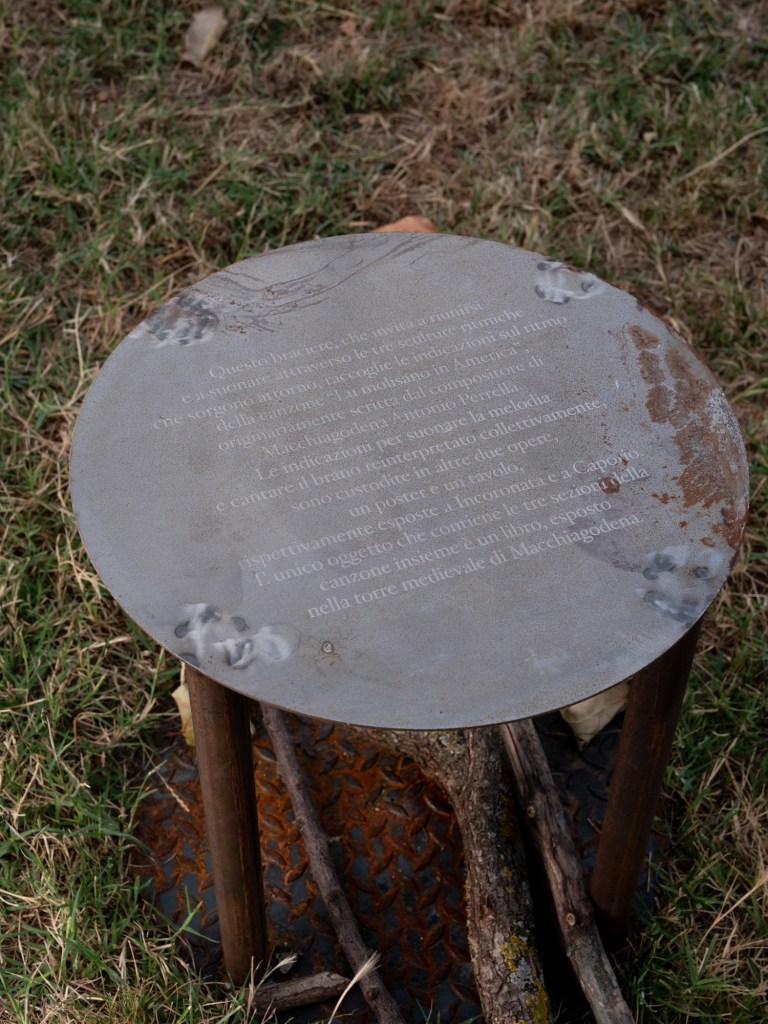
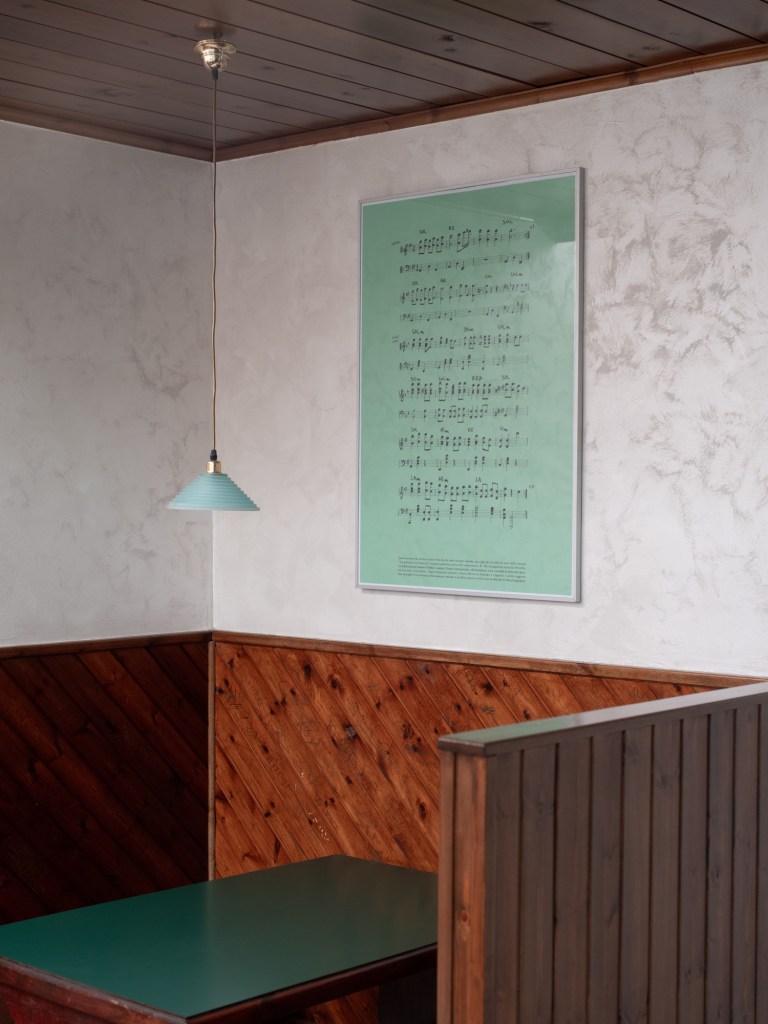
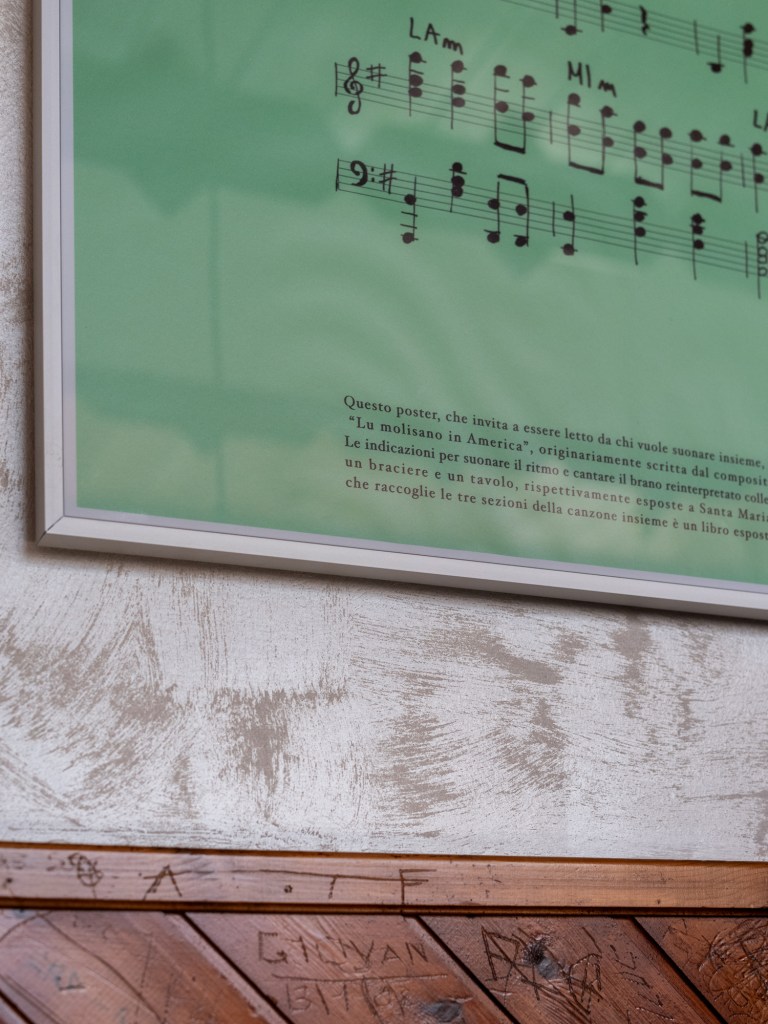
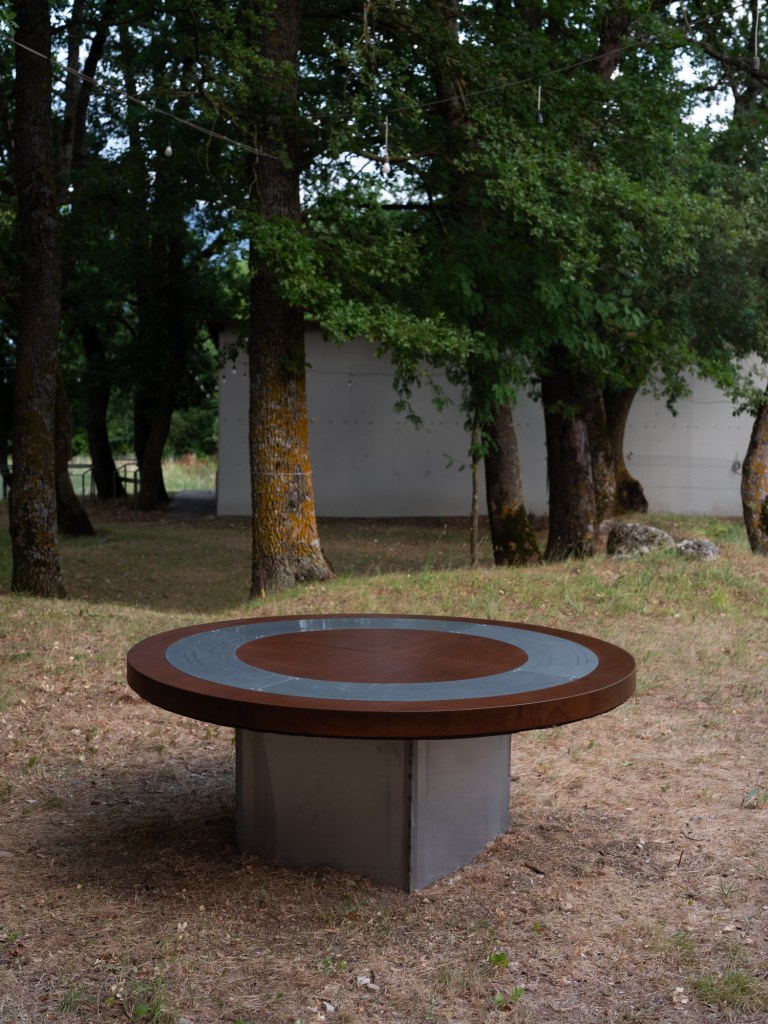
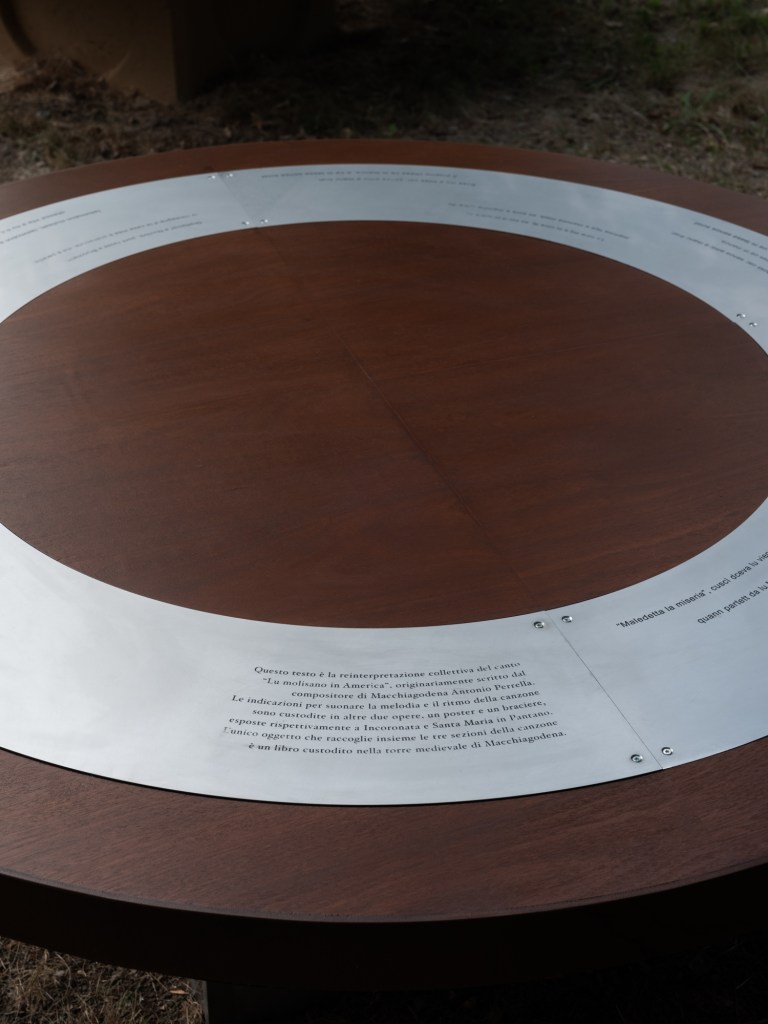
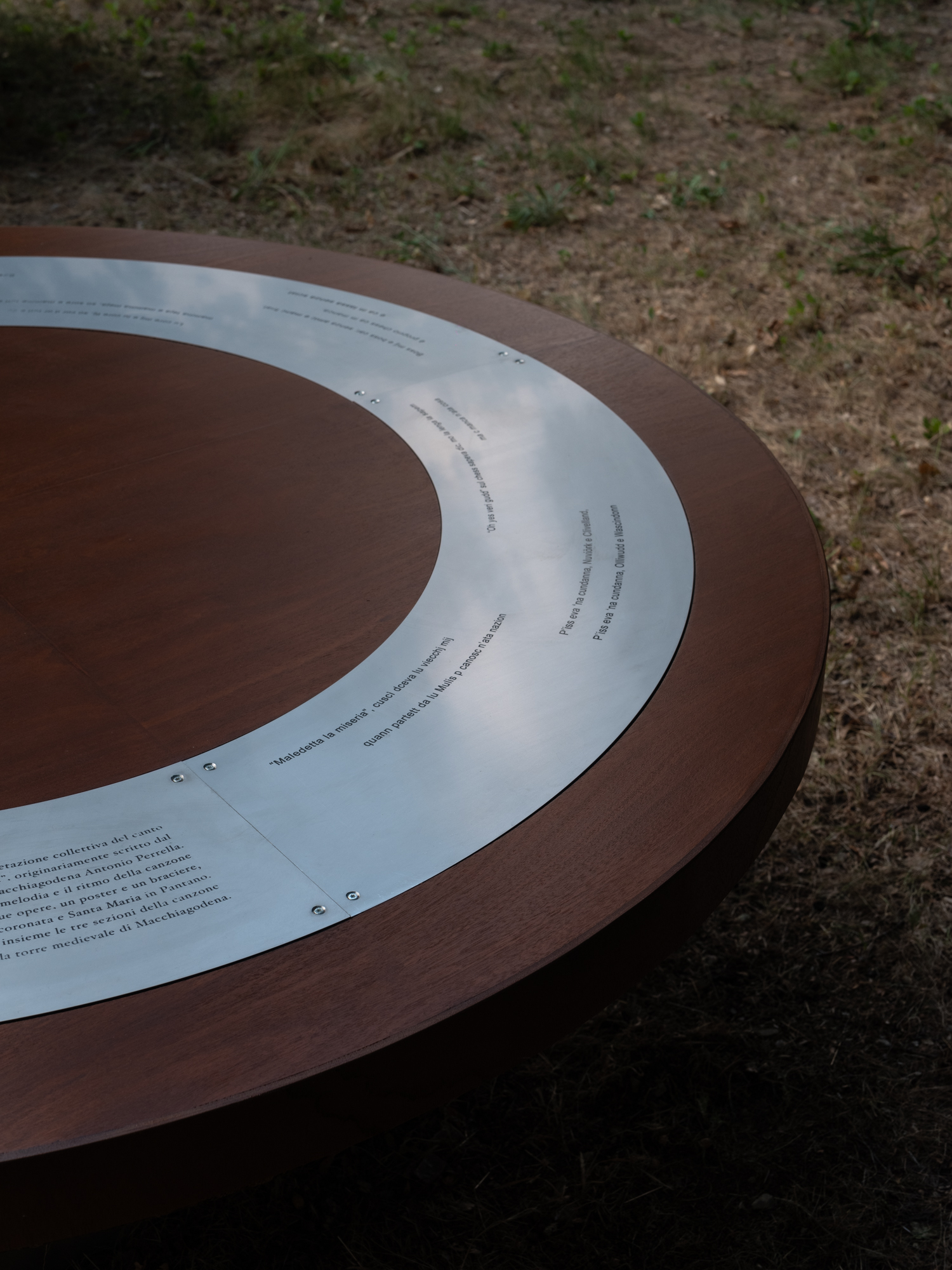
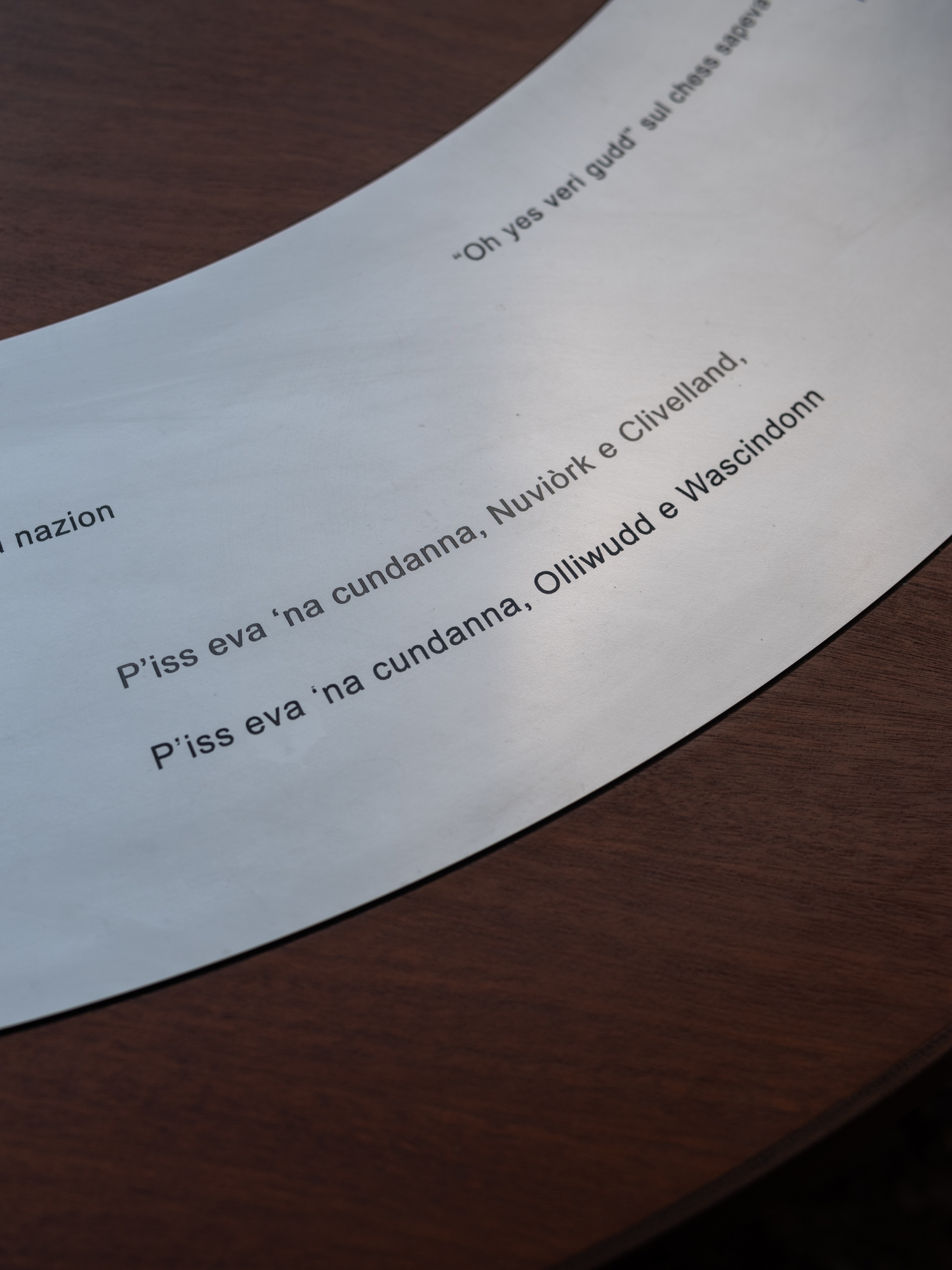
The work in Santa Maria in Pantano — placed in a green area that comes alive every year during the Festa dell’Assunta — consists of a brazier, a wood holder, and three musical sculptures that can be played. The work conceived for Incoronata is a poster displayed inside Bar Valleverde — one of the local gathering places — allowing visitors to read the sheet music and chords of the song. For the green area of Caporio — where the annual polenta festival takes place — the artist intervened on one of the existing tables by embedding an engraved steel plate with the lyrics of the song, written collectively during the workshops.
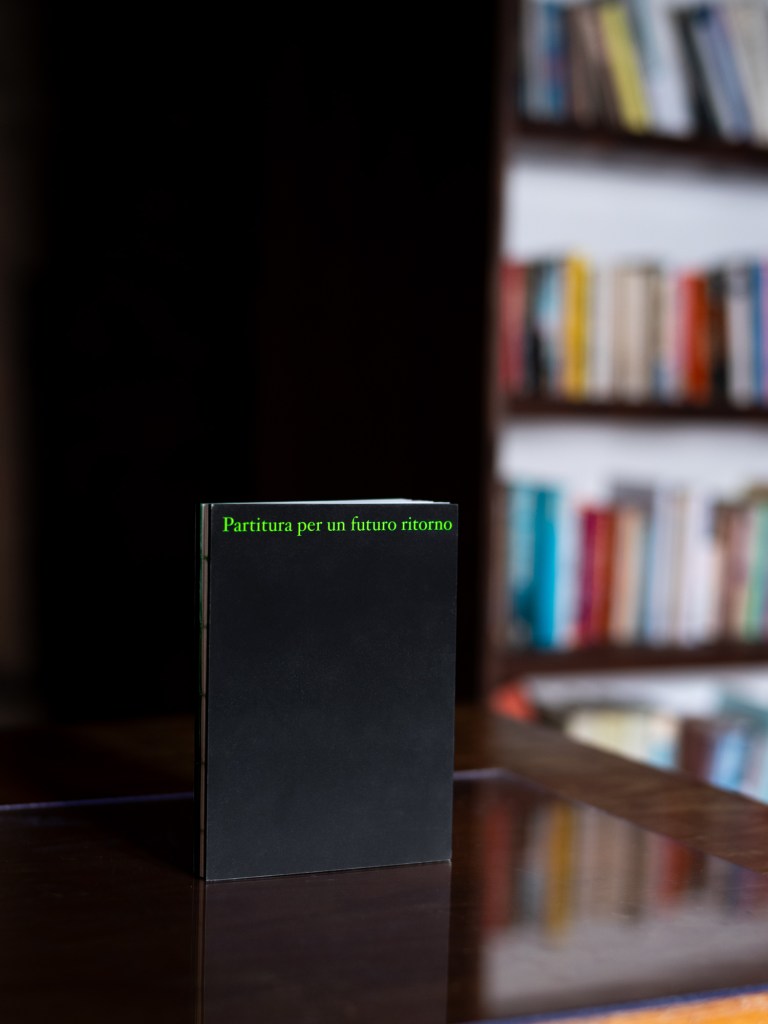
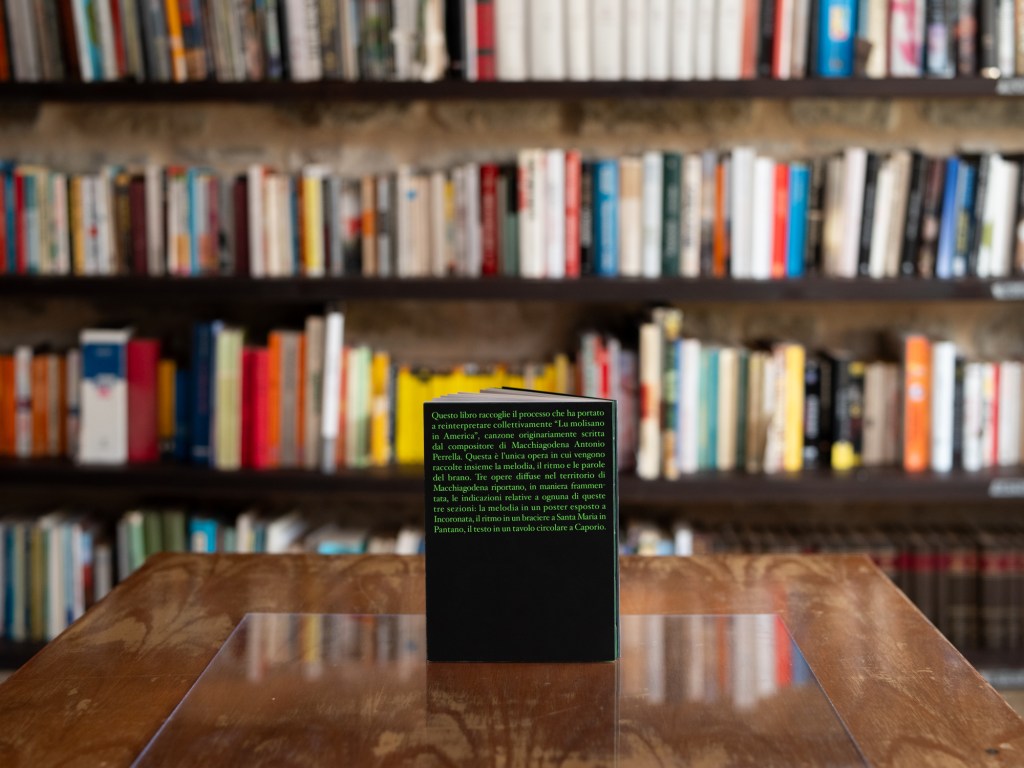
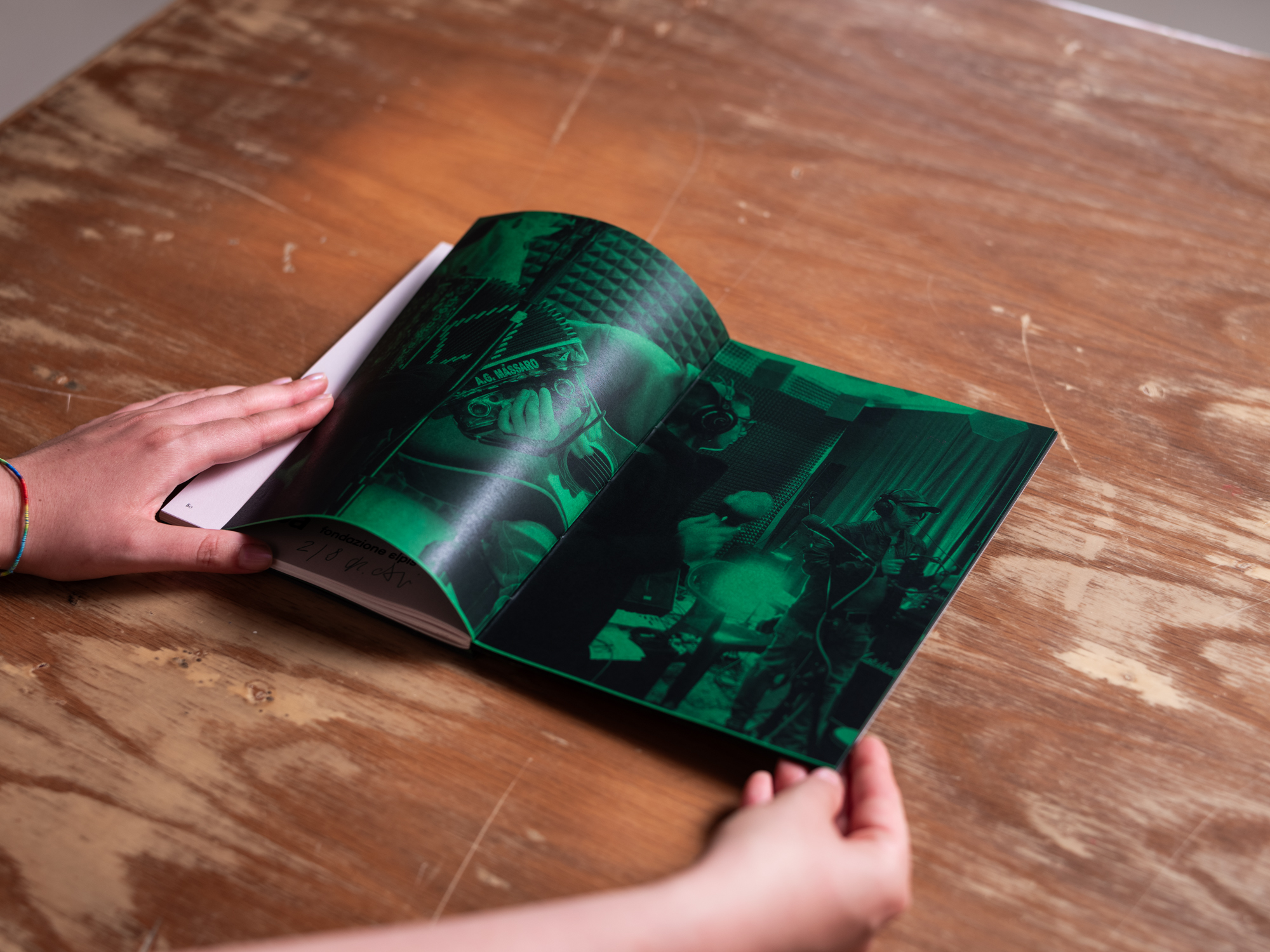
The only object that brings these sections together — accompanied by photos from the workshops and related materials — is a limited-edition artist’s book. The book is preserved and displayed inside Macchiagodena’s medieval tower, a place that holds hundreds of donated books from around the world thanks to the cultural initiative Genius Loci.
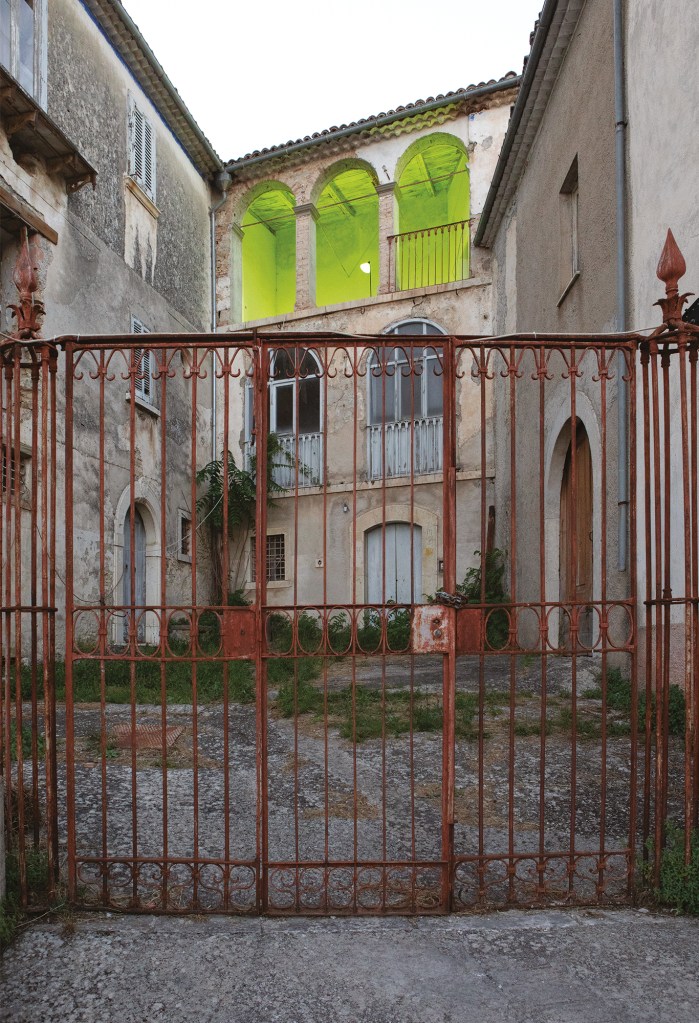
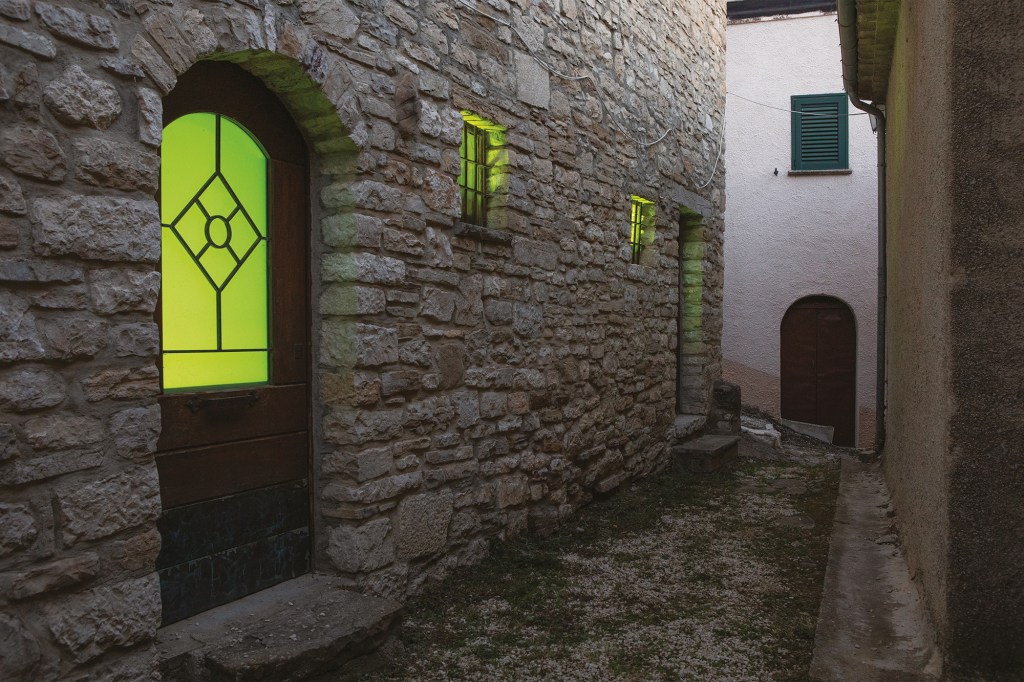
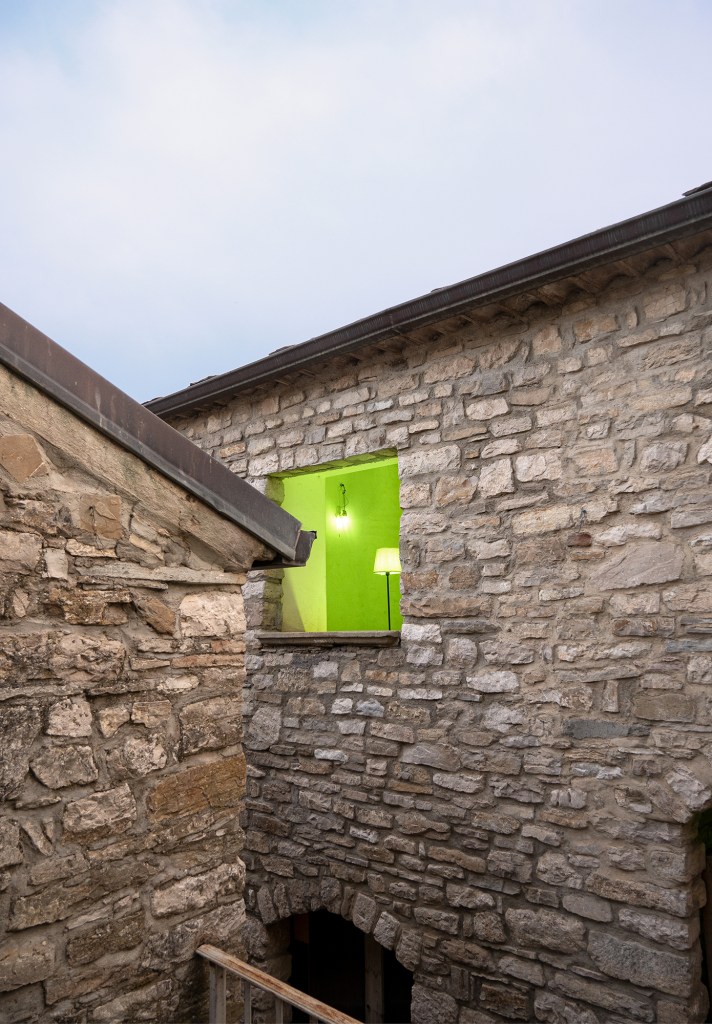
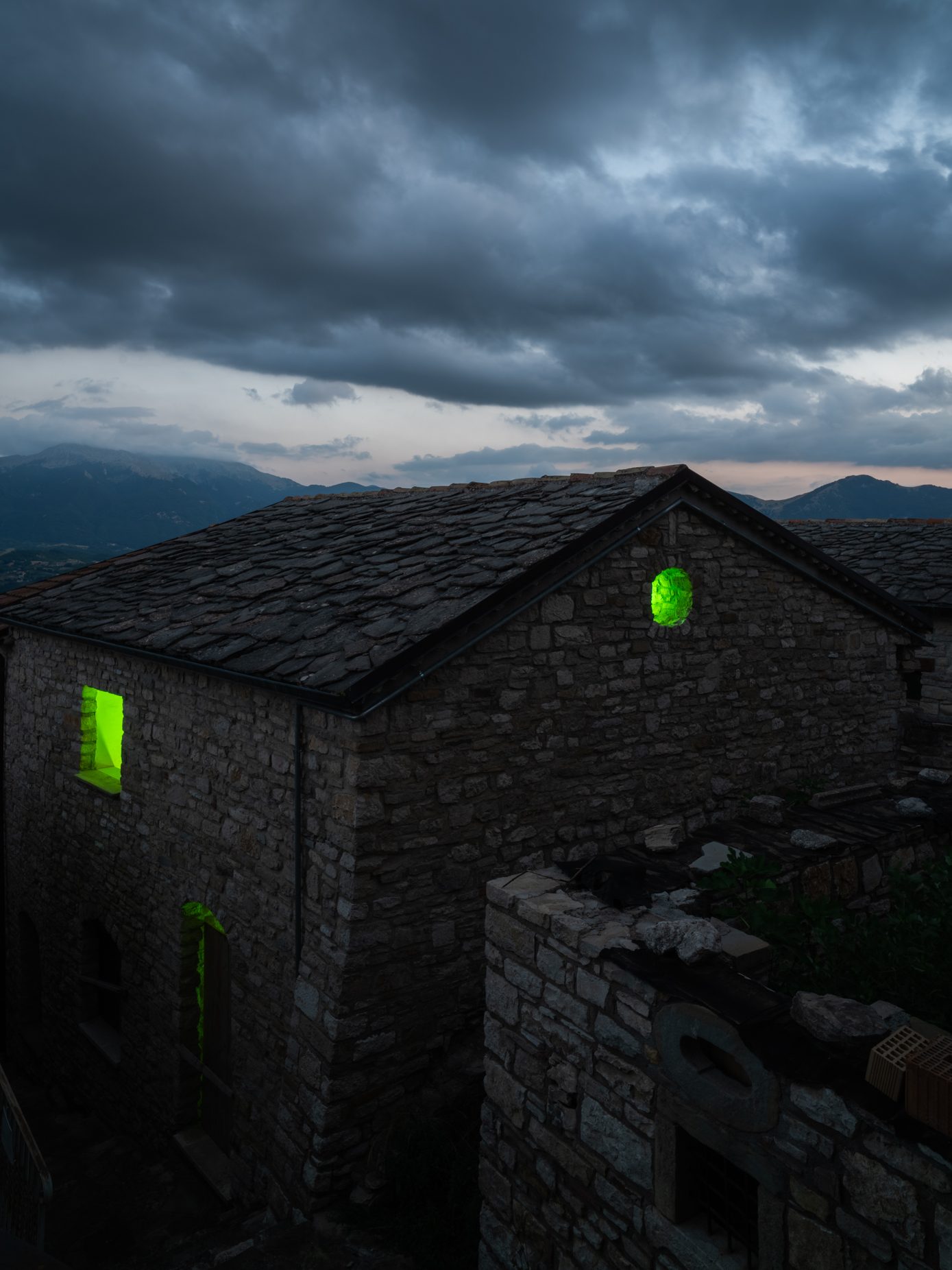
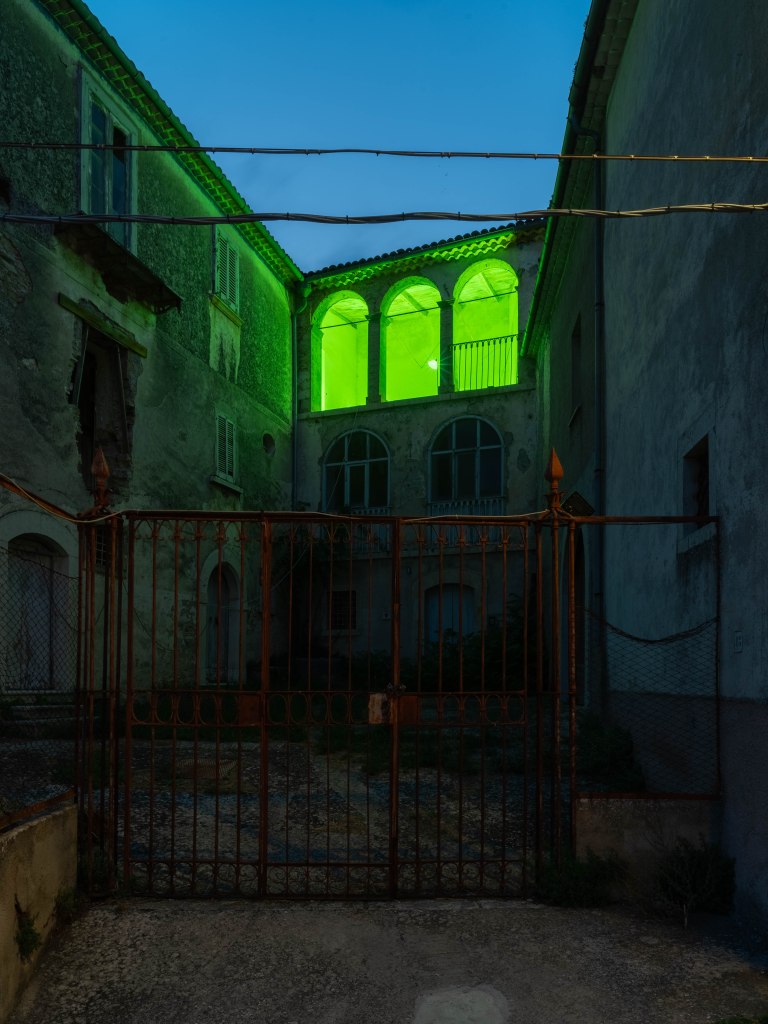
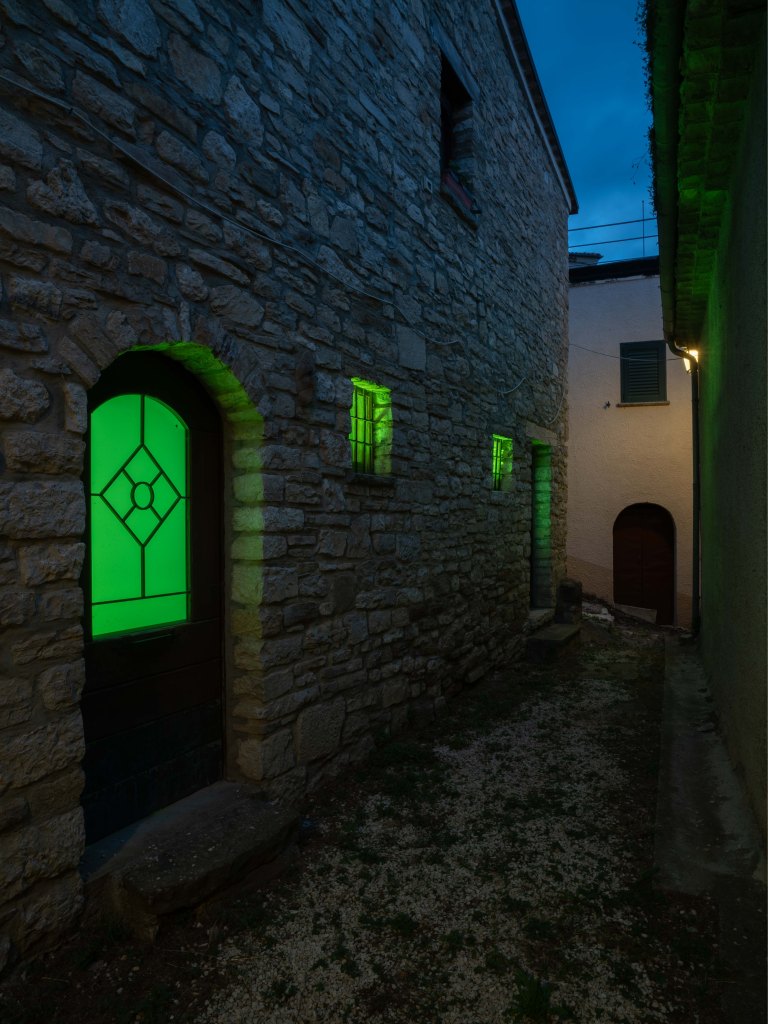
At the heart of the project, in Villaggio San Nicola—the oldest part of the town, now nearly uninhabited—the new version of the song resounds.
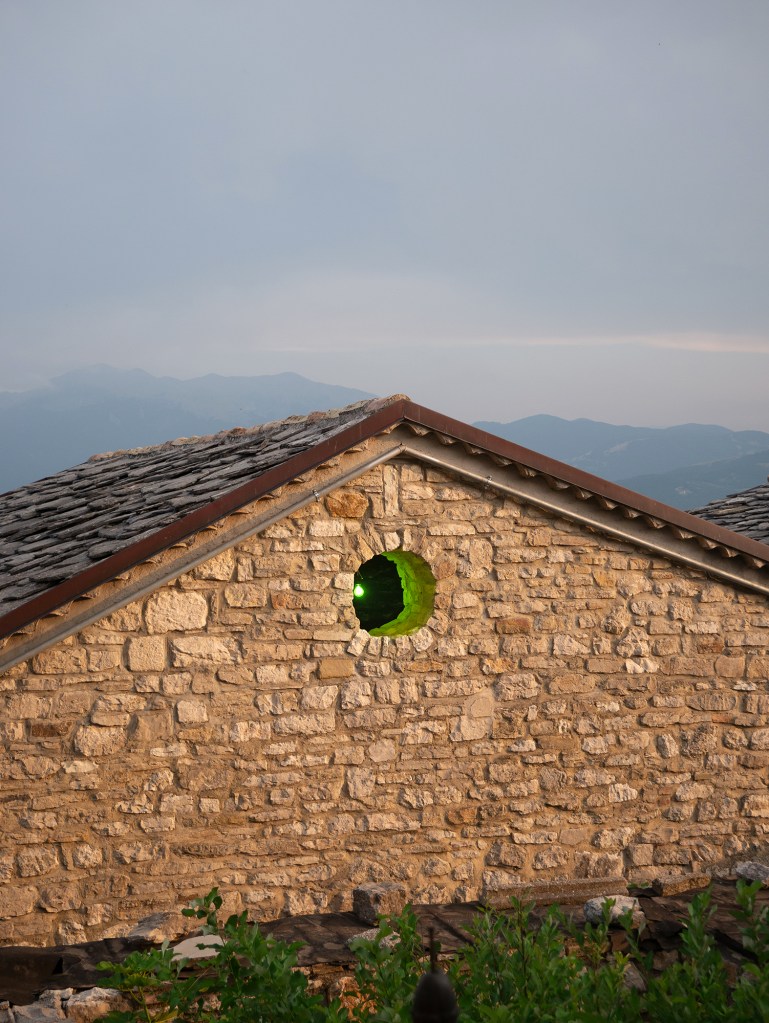
The three musical sections of the new song — rhythm, melody, and voice — are played inside three different houses, each illuminated by green light and newly furnished. These buildings are envisioned by the artist as space-time portals (marked by green lights), where the past aligns with the desires of a community striving to endure.
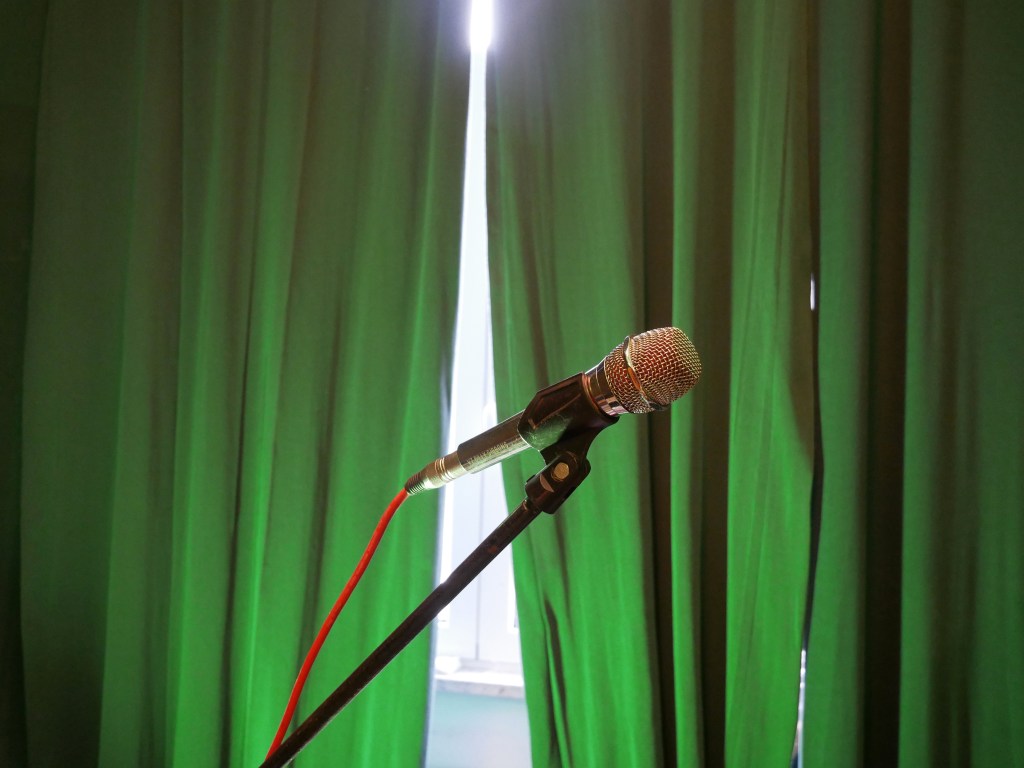
This song — conceived as an artistic operation — is meant to remain fragmented, as exemplified by the other works scattered throughout the area. It will only be heard in full when those who recorded it come together to perform it live. The work is a promise of future reunion.